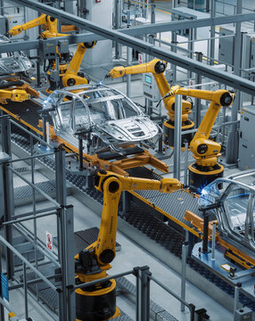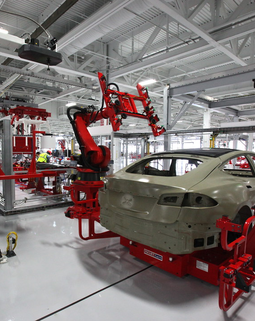

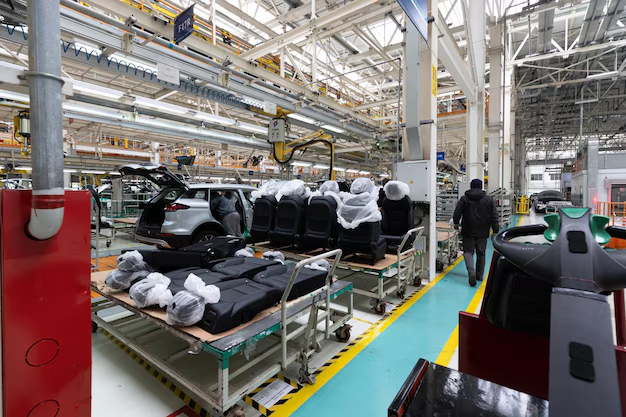
The arrival of global automakers such as Volkswagen, Toyota, and Kia, along with the expansion of local players like Kantanka, represents a major success of Ghana’s Automotive Development Policy (GADP). One of the core objectives of the GADP (launched in 2019) is to generate highly skilled jobs in vehicle assembly and parts manufacturing.
Direct Job Creation and Skills Transfer
Assembly plants, such as Volkswagen’s facility in Tema, have already created direct jobs in areas requiring specific technical skills, including:
-
Assembly and Production: Line operator roles and skilled technician positions for assembling vehicles in semi-knocked-down (SKD) kits and, eventually, completely knocked-down (CKD) kits.
-
Logistics and Maintenance: Roles in parts management, after-sales services, and factory equipment maintenance.
-
Engineering and Quality: Positions for engineers and quality control specialists to ensure that assembled vehicles meet global standards—an essential aspect of regional economic integration. For example, Volkswagen Ghana employs a team of local engineers and technicians to assemble models such as the T-Cross and Tiguan, directly contributing to the development of local technical skills.
These roles are considered high value-added jobs, essential for developing the technical capabilities of Ghana’s youth.
Secondary Trends and the Employment Ecosystem
The impact of vehicle assembly extends well beyond factory walls, influencing two key employment trends:
Training and the Spare Parts Ecosystem
The GADP provides significant tax incentives (up to 10 years of corporate tax exemptions) for companies investing in the local manufacturing of components. This localization of the supply chain is vital for creating thousands of indirect jobs in sectors such as plastics, textiles (for interiors), and automotive wiring. The government emphasizes the establishment of vocational and engineering training programs to bridge the skills gap in the advanced automotive industry, ensuring the long-term sustainability of highly skilled jobs.
Transformation of the Used-Car Market
In the long term, the goal of Ghana’s Automotive Development Policy (GADP) is to create a local used-car market. Instead of importing used vehicles (often more than 10 years old, whose importation is now banned by law), Ghana aims for locally assembled vehicles to supply the second-hand market. According to industry CEOs, this would create a more reliable and traceable used-car market, generating new highly skilled jobs in certified maintenance and resale, while reducing dependence on lower-quality used vehicle imports.
By positioning itself as an automotive assembly hub, Ghana is doing more than just manufacturing cars; it is investing in a new generation of highly skilled jobs and building a more resilient industrial base. For professionals seeking to enter this emerging value chain, technical training is the most direct path forward, as the sector requires personnel capable of mastering the latest technologies. To learn more about vehicles and spare parts suited to local conditions, platforms such as Auto24 are a valuable resource.
Which factor is most crucial to ensuring the sustainability of these new highly skilled jobs in Ghana: tax incentives for assembly or the establishment of a local supply chain for component manufacturing? Share your opinion below!