

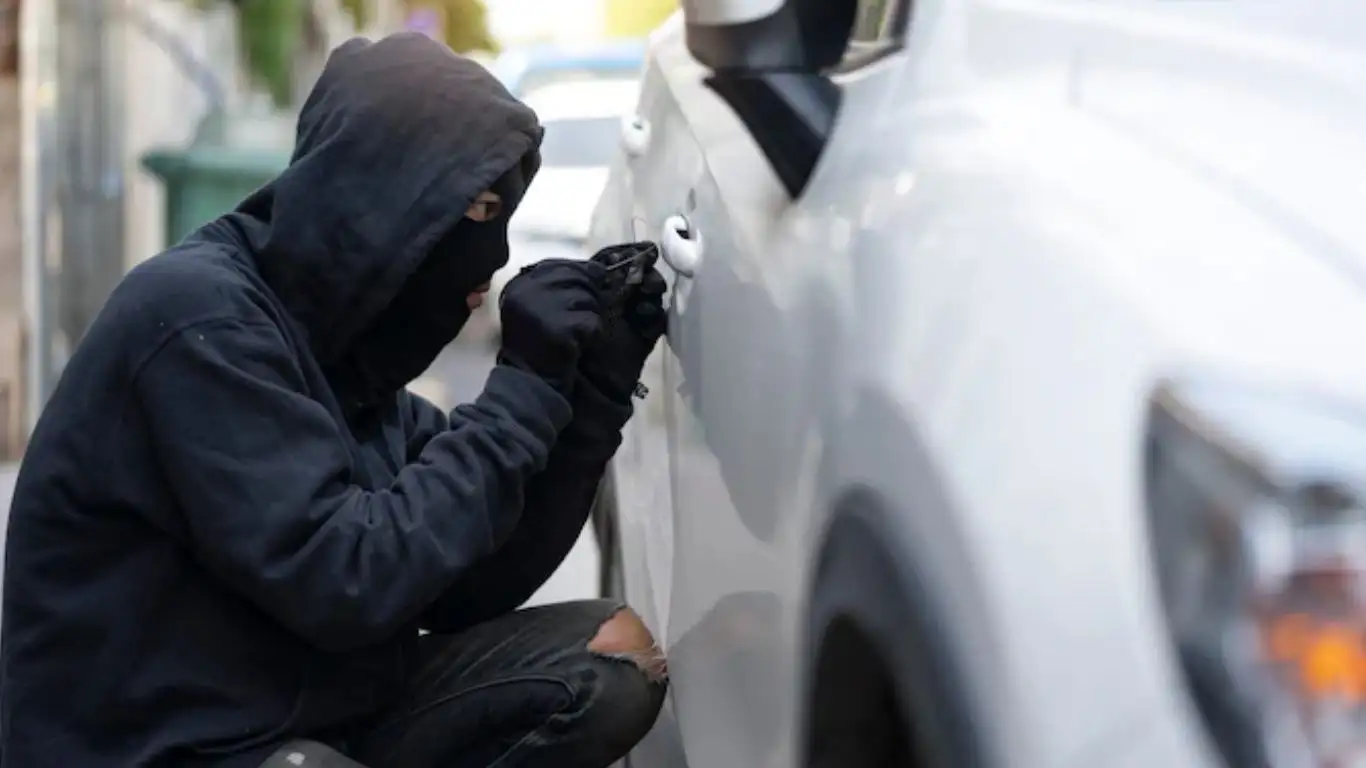
An ongoing operation by law enforcement agencies has brought to light a significant criminal racket involving stolen cars, exposing a deep and unsettling problem. The retrieval of numerous luxury vehicles smuggled into the nation isn't just a law enforcement success; it's a harsh wake-up call that has uncovered a widespread criminal enterprise preying on unsuspecting citizens. This crisis is not merely about fraud; it’s a human drama with real-world consequences, from shattered dreams to a tarnished national reputation.
For many, acquiring a car is a symbol of financial success and stability. However, years of savings can be wiped out in an instant when a vehicle is confiscated. Officials have made it clear that buyers are ultimately responsible for due diligence. The law places a duty on every purchaser to verify the authenticity of a vehicle and its documents. Failure to do so can result in the complete loss of the vehicle and the investment, with no legal remedy. High-profile cases have brought this crisis into sharp focus, highlighting the vulnerability of all citizens.
Gaps in the System and a Global Link
This crisis has sparked a heated debate between car dealers and port authorities. While dealers place the blame on customs officials for failing to act as a proper gatekeeper, customs officials acknowledge the difficulty. They explain that they often do not have real-time access to global databases for every single vehicle that enters the country. This lack of automated, instant verification is a significant loophole that sophisticated criminal networks exploit.
This problem is not unique to the stolen car Ghana crisis; it is part of a global criminal trade. Each year, hundreds of thousands of vehicles are stolen around the world and trafficked across the globe, often exchanged for other illicit goods. Collaborative operations with international law enforcement partners in West Africa have led to the detection of numerous stolen vehicles and the dismantling of organized crime groups, confirming that Ghana is a crucial link in a transnational criminal pipeline. For more information on vehicle regulations and services on the African continent, you can explore resources like those at AfriCarGroup.
Economic Fallout and the Path to Trust
Beyond the legal and reputational damage, the stolen car Ghana racket is a serious threat to the automotive industry. With a large portion of imported vehicles being used cars, the prevalence of these illegal operations is eroding consumer confidence. Fear of unknowingly purchasing a stolen car is slowing down sales and threatening the livelihoods of thousands of people in the informal sector. This also undermines the government's efforts to formalize the industry, making it difficult for honest businesses to compete with criminal networks offering unrealistically low prices.
The path to restoring trust requires a systemic overhaul. This includes strengthening legislation to impose harsher penalties on traffickers and sellers of stolen vehicles. Critically, there is an urgent need to digitize and automate the customs process to integrate a real-time link to global databases. This will allow for instant verification of vehicles at the port of entry, effectively closing the loophole that criminals currently exploit. A public awareness campaign can also help, educating buyers on red flags like unusually low prices, incomplete documents, and tampered Vehicle Identification Numbers (VINs). Ultimately, tackling the stolen car Ghana crisis requires collective, transparent, and decisive action from all stakeholders to protect both citizens and the national reputation.
What are your thoughts on how this issue can be resolved? What steps do you think are most important for protecting buyers? Share your insights in the comments below!