
As Ghana embraces cleaner energy and sustainable mobility, electric vehicles (EVs) are no longer a distant future—they are arriving fast. From the busy streets of Accra to the growing tech-conscious population in Kumasi, interest in electric vehicles is rising. Yet, for many prospective buyers, questions around range, charging infrastructure, and maintenance remain top of mind.
This article addresses everything Ghanaian drivers need to know before switching to an EV in 2025 and beyond—while highlighting insights from carghana.com, Ghana’s trusted platform for automotive news, used car listings, and driver-focused resources.
EV Adoption in Ghana: A Quiet but Powerful Shift
While EV adoption in Ghana is still in its early stages, government incentives, global supply chain shifts, and increased awareness of climate-friendly transport are making EVs more attractive. Platforms like carghana.com have begun spotlighting EV-friendly models and sharing practical tips for urban drivers considering the transition.
Whether you're thinking of a BYD Dolphin, Hyundai Kona EV, or even importing a used Nissan Leaf, this guide will prepare you for smart EV ownership in Ghana.
Understanding EV Range: Will It Be Enough for Ghana’s Cities?
Range anxiety is one of the most common concerns for first-time EV buyers. But how much range is actually enough?
1. Average Driving Distances in Ghanaian Cities
-
Accra: Daily commutes average 30–60 km
-
Kumasi: Daily city trips average 25–50 km
-
Takoradi and Tamale: Less traffic but longer distances, averaging 60–80 km per day
Most EVs available today offer a range of 250–400 km on a single charge, more than enough for 3–5 days of city driving without needing a recharge.
2. Factors That Affect EV Range
-
Traffic conditions: Start-stop traffic in Accra can actually benefit EVs due to regenerative braking.
-
Air conditioning: Using A/C reduces overall range by about 10–15%.
-
Driving habits: Aggressive acceleration drains battery faster.
💡 Tip: Choosing an EV with regenerative braking and eco-driving features improves efficiency in Ghana’s urban conditions.
Charging Infrastructure in Ghana: What’s Available in 2025
1. Public Charging Stations
Though still limited, charging infrastructure is growing steadily, especially in:
-
Accra Mall and Kotoka Airport
-
Shell and TotalEnergies fuel stations in central Accra
-
University campuses and government offices
GRIDCo and private energy firms have announced plans to install 50+ public charging stations by the end of 2025.
2. Home Charging Options
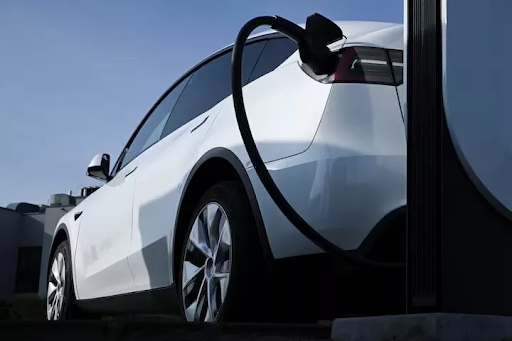
Most EV owners in Ghana rely on Level 1 or Level 2 home charging, using:
-
Standard wall sockets (8–12 hours for full charge)
-
Dedicated 220V chargers (4–6 hours full charge)
Home installation costs vary from GHS 2,000 to GHS 5,000, depending on wiring and location.
👉 For second-hand EVs and accessories, explore listings and local dealer contacts on carghana.com.
3. Charging Costs in Ghana
-
Public charging: GHS 1.20 – GHS 2.00 per kWh
-
Home charging (off-peak): ~GHS 0.80 per kWh
This equates to roughly GHS 70–100 for a full charge, significantly cheaper than fueling a petrol vehicle.
EV Maintenance in Ghana: Simpler, But Not Maintenance-Free
1. Fewer Moving Parts
EVs have no engine oil, no gearboxes, and fewer mechanical parts, which means:
-
No oil changes
-
Fewer brake replacements (due to regenerative braking)
-
No exhaust system repairs
However, certain maintenance needs remain essential.
2. Key EV Maintenance Areas
-
Battery Health: Check software updates and monitor charging cycles
-
Brake Pads: Inspect annually
-
Cooling Systems: Maintain proper battery cooling
-
Tyres and Suspension: Regular alignment checks, especially on rough urban roads
Most new EVs come with 8-year battery warranties, and popular models have software-based diagnostics to notify you of issues.
3. Availability of Spare Parts and Technicians
While still developing, tech hubs in Accra are offering EV training programs, and workshops like SolarTaxi Garage are building capacity to service popular EV brands.
🔎 For recommended garages and EV-friendly service centers, visit the resources section of carghana.com.
Pros and Cons of EV Ownership in Ghana
✅ Pros
-
Lower running costs
-
Eco-friendly
-
Quiet, smooth driving experience
-
Government support for zero-emission vehicles
❌ Cons
-
Limited public charging network
-
Upfront cost remains high for some models
-
Specialized maintenance not yet widespread
Is an EV Right for You? Ask Yourself These Questions
-
Do I mostly drive in urban areas like Accra or Kumasi?
-
Can I install a home charging unit or access nearby stations?
-
Do I prefer lower long-term operating costs over higher upfront cost?
-
Am I comfortable with digital dashboard features and app-connected controls?
If your answer is “yes” to most of these, 2025 may be the right year to go electric.
EV Models Worth Considering in Ghana (New or Used)
-
Nissan Leaf – Popular, affordable, easy to import
-
Hyundai Kona Electric – Compact SUV with high range
-
BYD Dolphin – New entry with tech features
-
MG ZS EV – Becoming popular in West Africa
-
Chevrolet Bolt EV – Great second-hand option
You can check second-hand listings and new import offers on carghana.com — your go-to platform for trusted vehicle sellers and up-to-date car tips.
FAQs: EV Ownership in Ghana
Q1: How long does it take to charge an EV in Ghana?
A: Between 4–12 hours, depending on charger type and battery size.
Q2: Can I use solar power to charge my EV at home?
A: Yes, especially with Ghana’s abundant sunshine. Some homeowners use solar + battery systems to reduce electricity bills.
Q3: How often do EV batteries need replacing?
A: Most batteries last 8–10 years, and manufacturers offer long-term warranties.
Q4: Are EVs good for Ghana’s road conditions?
A: Yes, especially models with high ground clearance and regenerative braking suited for stop-and-go city traffic.
Q5: Where can I get support if something goes wrong with my EV?
A: New workshops and EV service providers are emerging in Accra and Kumasi. Refer to listings and support content on carghana.com.
Conclusion
Electric vehicles are no longer just a trend—they're part of Ghana's transport future. While the market is still evolving, the range capabilities, growing charging options, and low maintenance costs make EVs a viable, eco-friendly option for many urban Ghanaians.
As the infrastructure and knowledge base expand, prospective buyers can make informed decisions by leveraging trusted platforms like carghana.com — where you can browse EV listings, learn maintenance tips, and connect with certified sellers and service providers.
⚡ Ready to drive into the future? Explore electric vehicle options today on carghana.com.