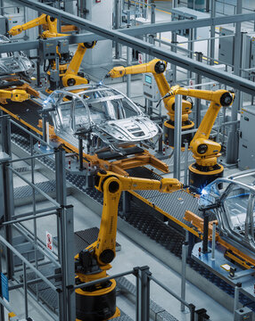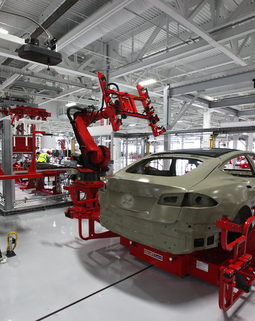


Ghana is preparing to link tax incentives for vehicle assembly to minimum local production requirements, potentially changing how manufacturers qualify for VAT relief in the country's automotive sector. President John Dramani Mahama announced the planned approach on September 15, 2026, during the commissioning of Phase Three of the Zonda Tec Ghana vehicle assembly plant in Tema.
Local Content to Become Part of Tax Incentives
The proposed Ghana Vehicle Assembly Tax Relief framework will require manufacturers to achieve a specified percentage of local assembly before qualifying for VAT exemptions. The exact percentage, implementation timetable and enforcement arrangements have not yet been announced.
The Ministries of Finance and Trade, Agribusiness and Industry are finalising the incentive framework for semi-knockdown vehicle assembly. Details are expected to be presented in the forthcoming national budget.
Mahama said the objective is to ensure that tax incentives support meaningful manufacturing rather than operations involving mostly imported, nearly completed vehicles with limited work performed locally.
Zonda Tec Expands Ghana Assembly Capacity
The announcement came as the government commissioned the third phase of Zonda Tec Ghana's assembly facility in Tema. The expansion is expected to raise the company's production capacity to approximately 3,000 heavy- and light-duty vehicles annually.
The facility produces vehicles including tipper trucks, cargo trucks, trailers, semi-trailers and tankers. The plant has also provided employment for more than 800 Ghanaians, according to the Ghana News Agency.
The expansion puts additional attention on the role of locally assembled vehicles in Ghana's wider automotive market.
More Vehicle Parts Could Be Made Locally
A major part of the new direction is moving beyond vehicle assembly into component manufacturing. Mahama specifically highlighted batteries, tyres, wiring harnesses, seats, glass, plastics and metal components as areas where Ghana could increase domestic production.
The government has also approved a Ghana Automotive Component Manufacturing Policy aimed at creating conditions for local companies to supply vehicle assembly plants and the aftermarket. The policy is intended to strengthen connections between vehicle manufacturers and Ghanaian small and medium-sized businesses.
For the Ghana Vehicle Assembly Tax Relief system, this could eventually mean that manufacturers have to demonstrate greater domestic value addition rather than simply meeting an assembly requirement, while AfriCarGroup provides broader automotive marketplace information across African markets.
Impact on Ghana's Car Industry
The proposed incentives could influence investment decisions by manufacturers and component suppliers. Ghana already has assembly operations involving international brands including Toyota, Volkswagen, Nissan, Hyundai, Honda and Kia, alongside local manufacturer Kantanka.
The government is also pursuing an electric-vehicle strategy. Mahama said Ghana is developing an EV policy with attention to charging infrastructure and solar-powered charging, while highlighting the country's lithium resources and renewable-energy potential.
What Buyers Should Watch
For motorists, the immediate details remain unsettled because the new local-content percentage has not yet been published. Future tax treatment could affect the pricing and availability of locally assembled vehicles, but the impact will depend on the final budget measures and how manufacturers respond.
Conclusion
The Ghana Vehicle Assembly Tax Relief proposal marks a shift toward tying automotive tax benefits more closely to domestic production. With the percentage threshold and final incentive structure still pending, manufacturers, component suppliers, and vehicle buyers will be watching the upcoming budget for details.
What automotive components should Ghana prioritise for local production? Share your thoughts in the comments.