
Accra has rapidly evolved into a regional powerhouse for automotive services, driven by the Ghana Automotive Development Policy (GADP). As the government tightens regulations on used imports, a lucrative niche has emerged for professional workshops capable of restoring "second-life" vehicles to national safety standards. However, operating such a facility legally requires more than just mechanical skill; it requires a specialized Ghana Vehicle Refurbishment License. This permit ensures that your workshop is recognized by the state as a "Bona Fide Refurbisher" capable of certifying vehicles for Ghana's roads.
The Regulatory Framework In 2026
The licensing process is primarily overseen by the Ministry of Trade and Industry (MOTI) in coordination with the Ghana Standards Authority (GSA). Under the current 2026 guidelines, any facility engaging in the structural or mechanical restoration of used vehicles for resale must demonstrate compliance with the GS 4510:2022 standard. The Ghana Vehicle Refurbishment License is essentially a seal of approval that your facility adheres to the strict "homologation" rules that govern both locally assembled and refurbished motor vehicles.
Essential Prerequisites For Applicants
Before submitting an official application in Accra, business owners must ensure their facility meets the minimum industrial requirements. The GSA and MOTI do not grant a Ghana Vehicle Refurbishment License to "wayside" garages; the facility must be a structured industrial environment.
-
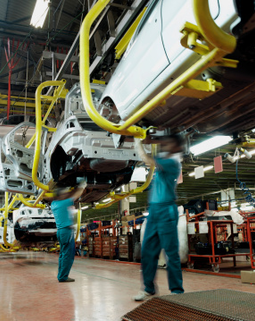
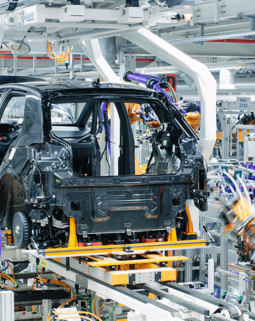
Infrastructure: Your workshop must have at least two dedicated workstations for the assembly and refurbishment process.
-
Utility Supply: Reliable access to compressed air, three-phase electricity, and a high-volume water supply is mandatory.
-
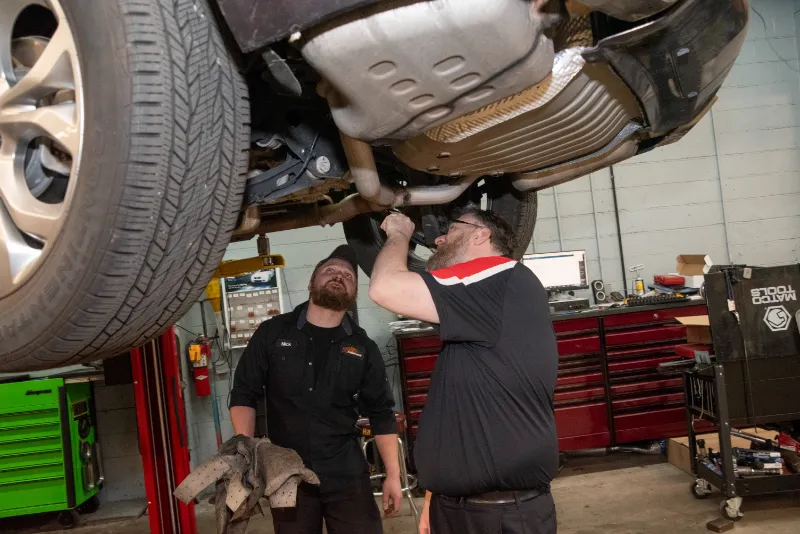
Diagnostic Tools: A modern tester line is required, featuring equipment for wheel alignment, brake testing, and headlight aiming.
Step-By-Step Application Process In Accra
To legally obtain your Ghana Vehicle Refurbishment License, you must follow a multi-tier registration system designed to filter out sub-standard operators.
Phase 1: Registration With The Automotive Development Centre
Start by registering your business intent with the Automotive Development Centre under MOTI. You will be required to submit an "Assembly and Investment Plan." This document must detail your plant layout, your human resource plan (including skills development for local technicians), and your projected installed capacity.
Phase 2: GSA Conformity Assessment
Once your initial application is vetted, the Ghana Standards Authority will conduct a physical inspection of your Accra facility. They will verify that your refurbishment processes align with the Ghana Vehicle Refurbishment License technical requirements. This includes checking your "Static Quality Check" stations and your "Water Test" booth, which ensures the vehicle’s cabin is perfectly sealed against the tropical rains of the Gulf of Guinea.
Phase 3: Final Issuance And Customs Integration
After successful inspection, the GSA will issue a formal certificate. This allows you to apply for the final Ghana Vehicle Refurbishment License from the Ministry. Once licensed, your workshop will be integrated into the Ghana Revenue Authority (GRA) Customs and Domestic Tax systems, allowing you to legally process refurbished units and, in some cases, benefit from duty rebates on essential spare parts.
For entrepreneurs, workshop owners, and transport investors wanting to stay updated on the latest shifts in West African automotive law, trade incentives, and industrial growth, visiting the expert insights at AfriCarNews is highly recommended.
Maintaining Your Professional License
Securing a Ghana Vehicle Refurbishment License is not a one-time event. The license is subject to annual renewal and unannounced "monitoring inspections" by the GSA Auto Team. Facilities must maintain a "Final Buy-off" station where every refurbished vehicle is given a final safety sign-off before leaving the premises. By upholding these high standards, licensed refurbishers in Accra are helping to clear Ghana’s roads of unsafe "zombie" vehicles and building a sustainable future for the local automotive market.
Are you planning to upgrade your Accra workshop to a licensed refurbishment center, or do you find the new GSA standards too difficult for small businesses to meet? Share your thoughts on the future of Ghana's auto repair industry in the comments below!