
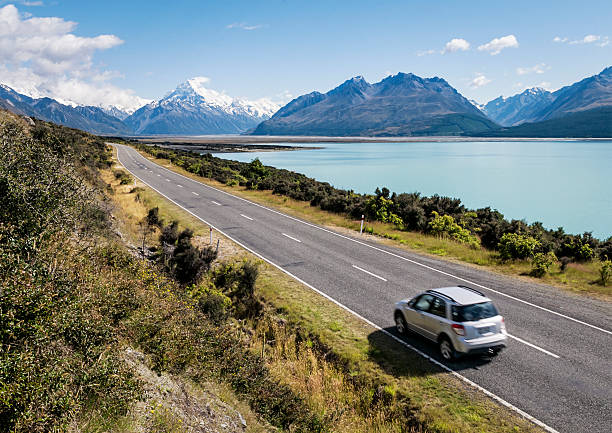
A long road trip can be an exciting adventure, whether you're driving from Accra to Kumasi, exploring Cape Coast, or traveling across Ghana for business or family visits. However, before setting off, it's important to ensure your vehicle is ready for the journey. Performing Road trip car checks Ghana can help prevent breakdowns, improve fuel efficiency, and keep you and your passengers safe throughout your trip.
Spending a few minutes inspecting your vehicle before departure can save you from costly repairs and unexpected delays on the road.
Why Pre-Trip Vehicle Checks Matter
Long-distance driving places extra demands on your vehicle. Tires, brakes, fluids, and the engine all work harder during extended journeys, especially in hot weather or heavy traffic. Completing Road trip car checks Ghana before leaving gives you confidence that your vehicle is prepared for different road conditions while reducing the risk of mechanical problems.
1. Inspect Your Tires
Your tires are the only part of the vehicle that touches the road, making them critical for safety.
Before your trip, check:
-
Tire pressure.
-
Tread depth.
-
Sidewall damage.
-
Uneven tire wear.
-
Spare tire condition.
Properly inflated tires improve handling, fuel economy, and braking performance.
2. Check Engine Oil
Engine oil lubricates moving parts and prevents excessive wear. Ensure the oil level is correct and replace it if it has reached the recommended service interval before your journey.
3. Inspect Coolant Levels
A healthy cooling system helps prevent engine overheating during long drives. Check the coolant reservoir and inspect hoses for leaks or cracks before traveling.
4. Test the Braking System
Reliable brakes are essential for safe driving. Listen for unusual noises and pay attention to:
-
Brake pedal response.
-
Brake fluid level.
-
Vibrations during braking.
-
Warning lights.
If anything feels unusual, have the brakes inspected before departure.
5. Check All Vehicle Lights
Working lights improve visibility and help other road users see your vehicle.
Inspect:
-
Brake lights.
-
Reverse lights.
-
Fog lights if equipped.
Replace any faulty bulbs before beginning your trip.
6. Test the Battery
A weak battery can leave you stranded.
Look for:
-
Corroded terminals.
-
Loose connections.
-
Slow engine starting.
-
Battery warning lights.
If your battery is several years old, consider having it tested.
7. Inspect Windshield Wipers and Washer Fluid
Good visibility is essential, especially during unexpected rain. Replace worn wiper blades and ensure the washer fluid reservoir is full.
8. Check All Essential Fluids
Complete your Road trip car checks Ghana by inspecting:
-
Brake fluid.
-
Transmission fluid (if applicable).
-
Power steering fluid.
-
Windshield washer fluid.
-
Engine coolant.
Proper fluid levels help your vehicle perform efficiently.
9. Pack an Emergency Kit
Every long journey should include basic emergency supplies such as:
-
First-aid kit.
-
Reflective warning triangle.
-
Tire inflator or pressure gauge.
-
Jumper cables.
-
Drinking water.
-
Basic tool kit.
-
Phone charger or power bank.
Being prepared can make a significant difference during unexpected situations.
10. Plan Your Route
Before leaving, check your route, fuel stops, and weather conditions. Planning ahead helps reduce stress and ensures a smoother journey, particularly when traveling through unfamiliar areas. For more automotive news, expert maintenance advice, and practical driving tips from across Africa, visit AfricaCarGroup.
Prepare Your Car for a Safe Journey
Completing these Road trip car checks Ghana before every long journey helps improve safety, reduce the risk of breakdowns, and make your trip more enjoyable. Regular maintenance, careful planning, and a well-prepared vehicle allow you to travel with greater confidence wherever the road takes you.
Join the Conversation
What checks do you always perform before a long road trip in Ghana? Share your essential travel preparation tips and experiences in the comments below to help fellow drivers enjoy safer and smoother journeys in 2026!