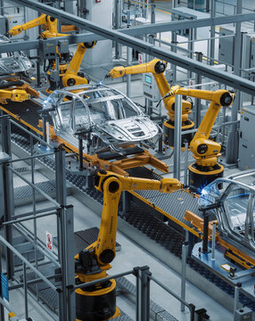

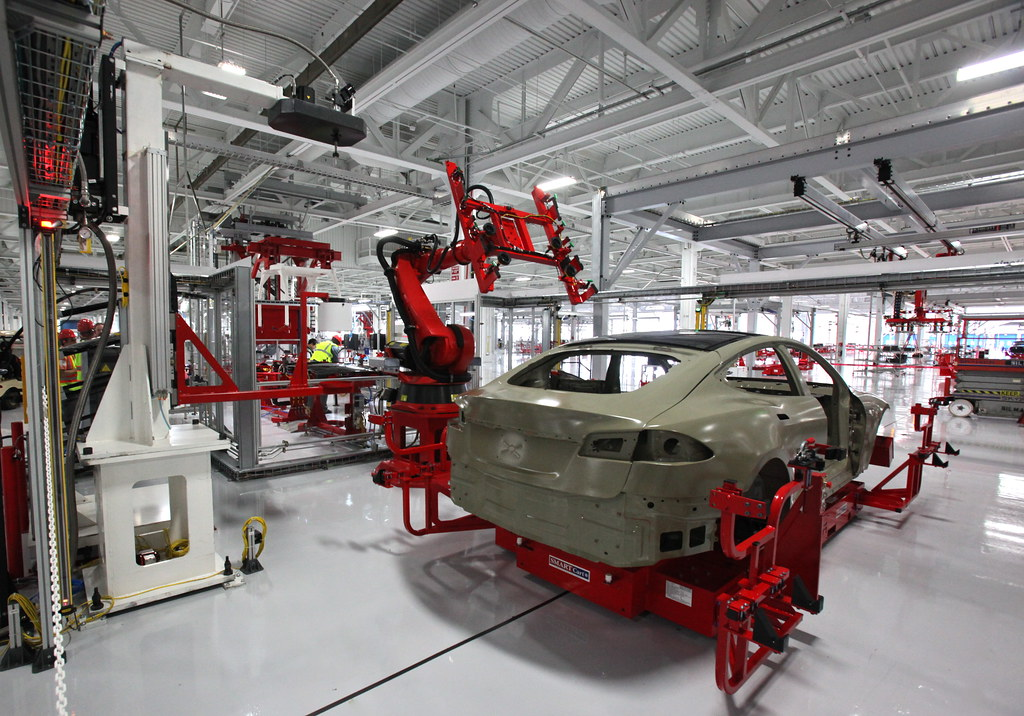
Ghana is rapidly positioning itself as a key player in Africa’s clean mobility transition, with major new agreements aimed at boosting Electric Vehicle Manufacturing in Ghana. The West African nation is strengthening partnerships with Chinese automakers to establish local assembly plants, expand industrial capacity, and promote environmentally friendly transport solutions.
This ambitious move forms part of Ghana’s broader strategy to modernize its automotive sector while attracting foreign investment and creating skilled jobs.
Ghana’s Strategy to Build a Local EV Industry
The government has signed agreements with Chinese automotive companies to establish electric vehicle assembly plants within the country. These partnerships represent a significant step forward for Electric Vehicle Manufacturing in Ghana, signaling growing international confidence in the country’s industrial potential.
One of the major developments involves a memorandum of understanding with Shenzhen-based EV manufacturer Shenzhen New Jekyll. The company has already acquired land in Ghana, and preparations for the manufacturing facility are well underway. Once operational, the plant is expected to assemble electric vehicles tailored for African road conditions and urban mobility needs.
In addition to this project, discussions are ongoing with Chery International, one of China’s largest vehicle exporters, to establish another EV assembly facility. These developments are expected to further accelerate Electric Vehicle Manufacturing in Ghana and strengthen the nation’s role in the emerging African EV market.
Why Chinese Automakers Are Investing in Ghana
Chinese companies dominate the global EV supply chain, including battery technology, electric powertrains, and cost-efficient vehicle production. By partnering with these manufacturers, Ghana gains access to advanced technology, production expertise, and investment capital.
This collaboration is helping fast-track Electric Vehicle Manufacturing in Ghana, allowing the country to bypass years of expensive research and development. Instead, Ghana can focus on building local assembly capabilities while integrating global EV technologies.
Economic Benefits of Electric Vehicle Manufacturing in Ghana
The push for Electric Vehicle Manufacturing in Ghana is expected to bring multiple economic advantages.
Job Creation and Skills Development
Local assembly plants will generate employment opportunities across manufacturing, engineering, logistics, and maintenance sectors. These projects are also likely to stimulate skills training programs and technical education in automotive engineering.
Strengthening the Automotive Ecosystem
Local assembly can stimulate supply chains for parts, batteries, and supporting technologies. Over time, this may encourage the development of a full automotive ecosystem around Electric Vehicle Manufacturing in Ghana.
Environmental Impact and Urban Mobility
Transport emissions remain a major environmental concern in many African cities. Expanding Electric Vehicle Manufacturing in Ghana supports the country’s climate commitments by reducing emissions and improving urban air quality.
The government has also introduced incentives such as reduced import duties for electric vehicles and policy frameworks to support charging infrastructure. These measures aim to make EV ownership more accessible while encouraging private investment in charging networks.
Readers interested in broader developments across Africa’s automotive industry can explore more insights through AfricaCarNews, a hub covering trends in mobility, automotive innovation, and regional market developments.
Challenges That Could Shape the EV Transition
Despite strong momentum, several factors will influence the success of Electric Vehicle Manufacturing in Ghana.
First, reliable power infrastructure is essential for EV charging networks. Expanding electricity capacity and ensuring grid stability will be crucial.
Second, affordability remains a key challenge, as many consumers still rely on imported used vehicles due to lower upfront costs.
Finally, building consumer confidence in EV technology will require strong after-sales service networks and maintenance support.
The Road Ahead for Ghana’s EV Industry
If these challenges are addressed, Electric Vehicle Manufacturing in Ghana could transform the country into a regional hub for clean automotive production. With strategic partnerships, supportive policies, and rising demand for sustainable transport, Ghana has an opportunity to lead West Africa’s transition to electric mobility.
The next few years will be critical as assembly plants begin operations and infrastructure expands to support EV adoption across the region.
What do you think about Ghana’s push into electric vehicles? Could the country become West Africa’s EV manufacturing hub? Share your thoughts in the comments and join the conversation!