

Ghana has positioned itself as a rising hub for the West African automotive industry. While the nation has successfully attracted global manufacturers like Volkswagen and Toyota to set up local assembly plants, the backbone of Ghanaian mobility remains the pre-owned market. However, the days of unregulated "second-hand" imports are over. Under the latest 2026 legal framework, the government has intensified the enforcement of Ghana Used Vehicle Standards to ensure that "second-life" vehicles—those refurbished for continued use—meet stringent safety and environmental benchmarks.
The Legal Foundation: GS 4510:2022 And Act 1014
The shift toward a regulated refurbishment market is anchored in the Customs (Amendment) Act, 2020 (Act 1014) and the comprehensive GS 4510:2022 standard. These laws fundamentally changed how used vehicles enter the country. It is no longer enough for a vehicle to simply "run"; it must now possess a valid Certificate of Conformance (CoC).
This certificate proves that the vehicle has undergone a professional inspection by an approved third-party body before even leaving its country of origin. For those looking to invest in the refurbishment sector, understanding these Ghana Used Vehicle Standards is critical to avoiding heavy penalties at the Port of Tema or Takoradi.
Key Prohibitions Under Current Law
To maintain the integrity of the local fleet, Ghana has banned several categories of vehicles that were previously common. Compliance is non-negotiable for:
-
Salvaged Vehicles: Any motor vehicle wrecked, destroyed, or damaged by collision, fire, or water is strictly prohibited from entry.
-
Right-Hand Drive: Unless specifically authorized for specialized use, originally manufactured right-hand drive vehicles cannot be registered.
-
Age Limits: As of early 2026, the 10-year age limit remains a critical threshold. While vehicles older than 10 years may be imported in certain bands, they face escalating "overage penalties" that can exceed 50% of the vehicle's CIF value.
Regulating The Refurbishment Industry
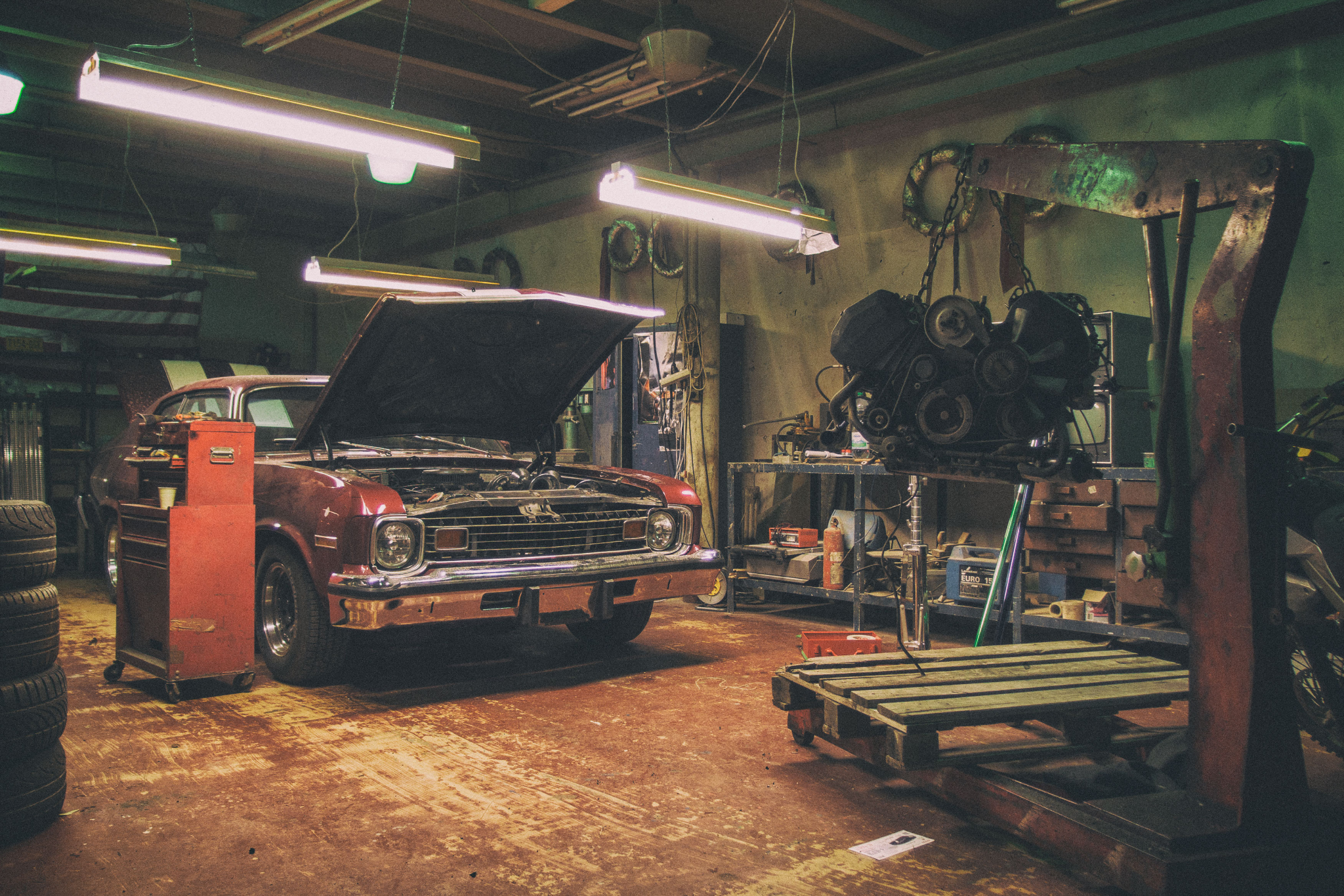
A "second-life" vehicle in Ghana refers to a used unit that has been professionally restored to meet national roadworthiness criteria. The Ghana Standards Authority (GSA) now monitors local refurbishment centers to ensure they don't just "mask" defects.
Under the Ghana Used Vehicle Standards, refurbishment must address critical safety systems. This includes verifying that braking systems are fully functional, steering linkages are secure, and that the vehicle is fitted with pneumatic tires no more than four years old from their own date of manufacture.
Environmental Compliance And Emissions
Ghana has moved toward Euro II emission standards to combat urban air pollution. Refurbished vehicles must prove they are not emitting excessive carbon monoxide or hydrocarbons. Furthermore, any air conditioning systems within these vehicles must use eco-friendly refrigerants, strictly prohibiting the use of chlorofluorocarbons (CFCs).
For automotive entrepreneurs and fleet buyers interested in the intersection of African industrial policy, sustainable transport, and emerging market trends, the latest insights from AfriCarNews provide an indispensable resource for navigating these evolving regulations.
The Future Of The "Second-Life" Market
The ultimate goal of these Ghana Used Vehicle Standards is to move away from being a "dumping ground" for the West's automotive waste and toward becoming a sophisticated market for high-quality, refurbished machines. By codifying these refurbishment laws, Ghana ensures that every vehicle on its road—whether brand new from an Accra assembly line or a meticulously restored import—provides a safe and reliable "second life" for its owner.
Adhering to Ghana Used Vehicle Standards isn't just about legal compliance; it’s about sustaining the long-term value and safety of the nation's transport infrastructure.
Do you think the 10-year age limit is too strict for a developing economy, or is it a necessary step to clear Ghana's roads of unsafe "zombie" vehicles? We want to hear your take—share your thoughts on vehicle refurbishment in the comments below!