
Traffic Congestion in Ghana Costs the Economy Billions Each Year
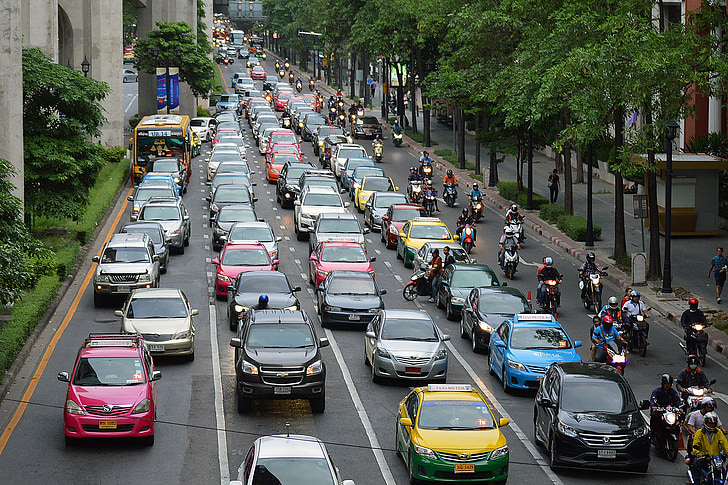
Urban mobility challenges are becoming one of the most pressing issues facing Ghana’s transportation sector. Recent research estimates that Traffic Congestion in Ghana is costing the national economy more than GH¢4.5 billion annually due to lost productivity, excessive fuel consumption, and reduced efficiency in vehicle movement across major cities.
As vehicle ownership continues to rise and urban populations expand, the pressure on road infrastructure is intensifying—particularly in the capital city of Accra, where daily gridlocks have become part of everyday life for commuters.
The Economic Impact of Traffic Congestion in Ghana
The economic losses associated with Traffic Congestion in Ghana stem from several interconnected factors tied directly to vehicle use and urban transport inefficiencies.
Time Lost in Vehicle Traffic
The largest portion of the economic loss—approximately GH¢3.2 billion per year—comes from the time commuters spend stuck in traffic. Long vehicle queues during rush hours significantly reduce productivity, as workers arrive late to offices or spend valuable hours sitting behind the wheel instead of performing economic activities.
This lost time represents more than 70 percent of the total estimated economic impact.
Fuel Waste from Idling Vehicles
Another major cost driver is the amount of fuel wasted by vehicles trapped in slow-moving or stationary traffic. Engines left running during congestion consume fuel without covering a meaningful distance, resulting in an estimated GH¢434 million in wasted fuel annually.
Beyond the financial cost, this inefficiency also increases dependence on imported fuel and adds unnecessary pressure to Ghana’s energy spending.
Productivity Loss from Stress and Fatigue
Daily exposure to severe traffic conditions also affects driver wellbeing and worker productivity. Researchers estimate that fatigue and stress related to Traffic Congestion in Ghana reduce effective working time by roughly 30 minutes per commuter per day.
These health and productivity impacts contribute roughly GH¢815 million in annual economic losses.
Major Vehicle Gridlock Hotspots in Accra
Several vehicle corridors in Accra have become notorious for chronic traffic congestion. One of the most heavily studied routes is the Madina–37 corridor, where dense vehicle flows during peak hours often bring traffic to a standstill.
Other key congestion hotspots include:
-
Spintex Road
-
Mallam–Kasoa highway
-
Circle–Achimota corridor
These routes carry thousands of vehicles daily and serve as critical links for commuters, public transport operators, and logistics vehicles moving goods within the capital.
Urban planners warn that without major improvements to road networks and traffic management systems, Traffic Congestion in Ghana will likely worsen as vehicle numbers continue to grow.
Solutions to Improve Vehicle Mobility
Experts recommend several infrastructure and policy measures to tackle Traffic Congestion in Ghana and improve overall vehicle movement across cities.
Key proposals include:
-
Expanding major highways and congested road segments
-
Upgrading feeder roads to distribute vehicle traffic more efficiently
-
Introducing smart traffic lights and modern traffic management systems
-
Improving urban planning to decentralize business districts
-
Developing alternative routes in residential areas
These measures aim to improve vehicle flow while preparing Ghana’s transport network for future urban growth.
Readers interested in broader developments in Africa’s automotive and mobility sectors can explore more industry insights through AfricaCarNews, a platform covering trends in vehicles, infrastructure, and mobility innovation across the continent.
Do you think smarter roads, electric vehicles, or better public transport will solve Ghana’s traffic crisis? Share your thoughts in the comments and join the conversation!